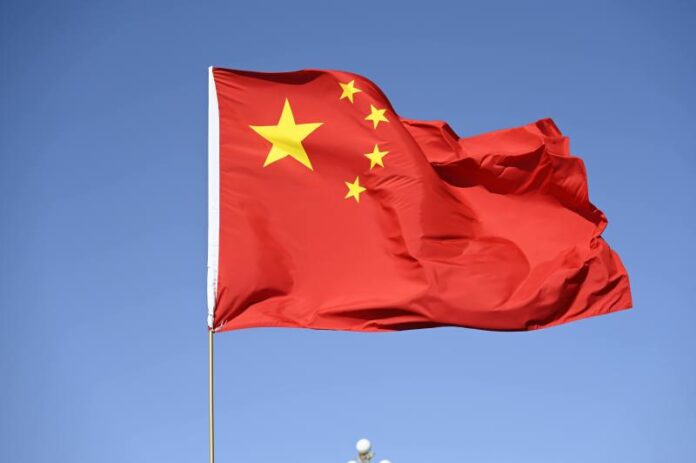
One of the most important forces shaping global markets in 2026 is the growing tension between China and Western economies. What began as a trade dispute has evolved into a broader strategic rivalry—spanning technology, supply chains, finance, and geopolitics.
For investors, this is not just a political story. It’s a structural shift that is reshaping global investment flows, creating both risks and opportunities.
From Trade War to Strategic Competition
The relationship between China and the West—particularly the United States and its allies—has changed significantly over the past decade.
What was once primarily an economic partnership has become increasingly competitive. Key areas of tension include:
- Trade imbalances and tariffs
- Technology access and intellectual property
- National security concerns
- Control over critical resources
This shift has led to a more fragmented global economy, where cooperation is often replaced by competition.
The Technology Battleground
Technology sits at the center of this rivalry.
Both sides are investing heavily in areas such as:
- Semiconductors
- Artificial intelligence
- Telecommunications infrastructure
- Cybersecurity
Restrictions on technology exports, particularly advanced chips, have created a divide in the global tech ecosystem.
For investors, this means:
- Some companies face limited access to key markets
- Others benefit from domestic support and reduced competition
- Entire supply chains are being restructured
The result is a less globalized—and more politically influenced—technology sector.
Supply Chains Are Being Rewritten
One of the most visible impacts of this tension is the restructuring of global supply chains.
Companies are increasingly adopting strategies such as:
- “China plus one” (diversifying manufacturing to other countries)
- Reshoring production closer to home markets
- Building redundancy to reduce risk
While this improves resilience, it also increases costs and reduces efficiency.
For investors, this creates opportunities in:
- Emerging manufacturing hubs
- Logistics and infrastructure
- Domestic industrial sectors
But it also introduces uncertainty for companies heavily reliant on global trade.
Capital Flows and Market Access
Financial markets are also feeling the effects.
Regulatory differences and political tensions have led to:
- Increased scrutiny of cross-border investments
- Restrictions on certain sectors
- Greater volatility in Chinese equities
Some global investors are reassessing their exposure to China, while others see long-term value in a large and still-growing economy.
At the same time, Western markets continue to attract capital due to perceived stability and transparency.
Commodities and Resource Competition
China remains a dominant player in global commodity demand, particularly for industrial metals and energy.
Meanwhile, Western countries are seeking to secure supply chains for critical materials such as:
- Lithium
- Rare earth elements
- Copper
This competition is driving investment in mining and resource development around the world.
For investors, commodities are becoming increasingly tied to geopolitics, not just supply and demand.
Currency and Economic Influence
The rivalry also extends to currency and financial influence.
Efforts to reduce reliance on traditional financial systems and diversify reserve currencies are gaining momentum.
While the U.S. dollar remains dominant, shifts in global trade patterns and financial alliances could gradually reshape the currency landscape.
Investors should be aware of how these changes might impact:
- Exchange rates
- International investments
- Global capital flows
Risks Investors Need to Watch
The China–West dynamic introduces several key risks:
- Policy uncertainty: Sudden regulatory changes can impact entire sectors
- Market fragmentation: Separate economic blocs may limit global opportunities
- Geopolitical shocks: Escalations could trigger rapid market reactions
- Reduced transparency: Differences in reporting and governance standards
These risks make it essential to stay informed and avoid over-concentration in any single region.
Opportunities in a Divided World
Despite the challenges, this shift also creates opportunities.
Investors may find potential in:
- Countries benefiting from supply chain diversification
- Domestic industries supported by government policy
- Companies that can operate effectively across multiple markets
Adaptability is becoming a key competitive advantage—not just for businesses, but for investors as well.
A More Complex Global Landscape
The era of seamless globalization is evolving into something more complex.
Instead of a single, interconnected system, the world is moving toward a more fragmented structure with competing economic spheres.
This doesn’t mean global investing is no longer viable—but it does mean that understanding geopolitics is more important than ever.
The Bottom Line
The growing divide between China and the West is one of the defining investment themes of 2026. It is reshaping industries, altering supply chains, and influencing how capital moves around the world.
For investors, the key is not to avoid this complexity—but to understand it. Those who can navigate this shifting landscape will be better positioned to manage risk and uncover opportunities in an increasingly divided global economy.