In 2026, financial markets are being shaped as much by geopolitics as by earnings reports and economic data. From regional conflicts to trade disputes and shifting alliances, global instability is no longer a background risk—it is a primary market driver. For investors, understanding how these forces interact with markets is essential.
The New Reality: Markets React in Real Time
Unlike in previous decades, markets today respond almost instantly to geopolitical developments. News of sanctions, military escalations, or diplomatic breakthroughs can trigger sharp movements across asset classes within minutes. This heightened sensitivity is driven by algorithmic trading, global connectivity, and the sheer volume of capital moving across borders.
As a result, investors are increasingly factoring geopolitical risk into everyday decision-making, not just during crises.
Energy Markets: The First Domino
Energy is often the most immediate casualty of global conflict. Disruptions in oil and gas supply—whether due to war, sanctions, or political instability—can send prices soaring.
In 2026, ongoing tensions in key energy-producing regions have kept oil and gas markets volatile. When supply chains are threatened, prices spike, benefiting energy exporters and companies in the sector, while increasing costs for consumers and businesses worldwide.
Higher energy prices also feed into inflation, creating ripple effects across the global economy.
Commodities Beyond Oil
It’s not just energy—conflicts increasingly impact a wide range of commodities. Metals, agricultural products, and rare earth elements are all vulnerable to geopolitical disruptions.
For example:
- Trade restrictions can limit access to critical minerals used in technology and defense
- Agricultural exports can be disrupted by conflict or sanctions
- Shipping routes may become unsafe, increasing transportation costs
These disruptions create both risks and opportunities for investors, particularly in commodity-focused funds and companies.
Defense Stocks: A Predictable Winner?
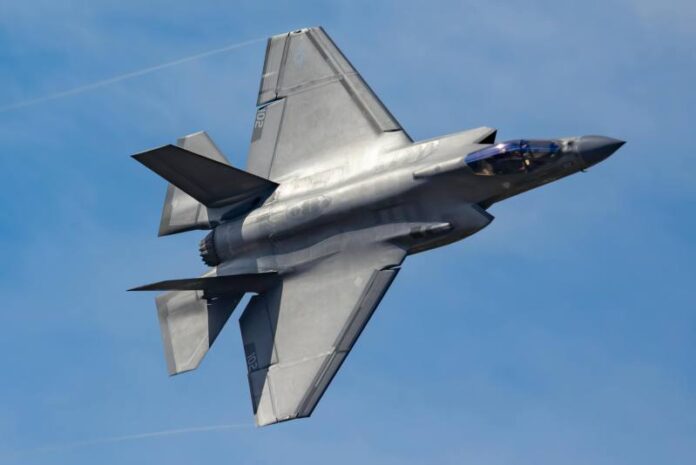
One consistent trend during periods of geopolitical tension is the rise of defense spending. Governments facing uncertain security environments tend to increase military budgets, which can benefit defense contractors.
In 2026, many countries are continuing to expand their defense capabilities, driving steady demand in the sector. While this can make defense stocks attractive from a financial perspective, it also raises ethical considerations for some investors.
Currency Volatility and Safe Havens
Global conflicts often lead to sharp movements in currency markets. Investors typically shift capital toward “safe haven” assets during times of uncertainty.
Common safe havens include:
- Strong, stable currencies
- Gold and other precious metals
- Government bonds from economically resilient countries
This flight to safety can strengthen certain currencies while weakening others, creating both risks and opportunities in foreign exchange markets.
Supply Chains: Still Under Pressure
The aftershocks of earlier global disruptions continue to be felt in 2026. Conflicts and political tensions have accelerated a trend toward “deglobalisation,” where countries and companies seek to reduce reliance on foreign supply chains.
This shift is reshaping industries:
- Companies are moving production closer to home
- Costs are rising as efficiency is sacrificed for resilience
- New investment opportunities are emerging in domestic manufacturing and infrastructure
Investors who understand these shifts can position themselves ahead of long-term structural changes.
Technology and Trade Wars
Technology has become a central battleground in modern geopolitics. Disputes over semiconductors, artificial intelligence, and data security are influencing markets in profound ways.
Export controls, sanctions, and restrictions on technology transfers can:
- Limit growth for certain companies
- Create competitive advantages for others
- Fragment global markets into competing blocs
For investors, this means that political decisions can be just as important as innovation when evaluating tech companies.
What This Means for Investors
In a world shaped by geopolitical uncertainty, traditional investing strategies need to evolve. Diversification remains critical, but it must now account for geopolitical exposure as well as economic factors.
Key considerations include:
- Avoiding overexposure to a single region
- Monitoring political developments alongside financial data
- Considering assets that perform well during instability
- Taking a long-term view despite short-term volatility
The Bottom Line
Global conflicts are no longer rare shocks—they are a constant force influencing markets in 2026. While they introduce uncertainty, they also create opportunities for informed investors.
Those who take the time to understand the connections between geopolitics and financial markets will be better positioned to navigate volatility and make smarter investment decisions in an increasingly complex world.